
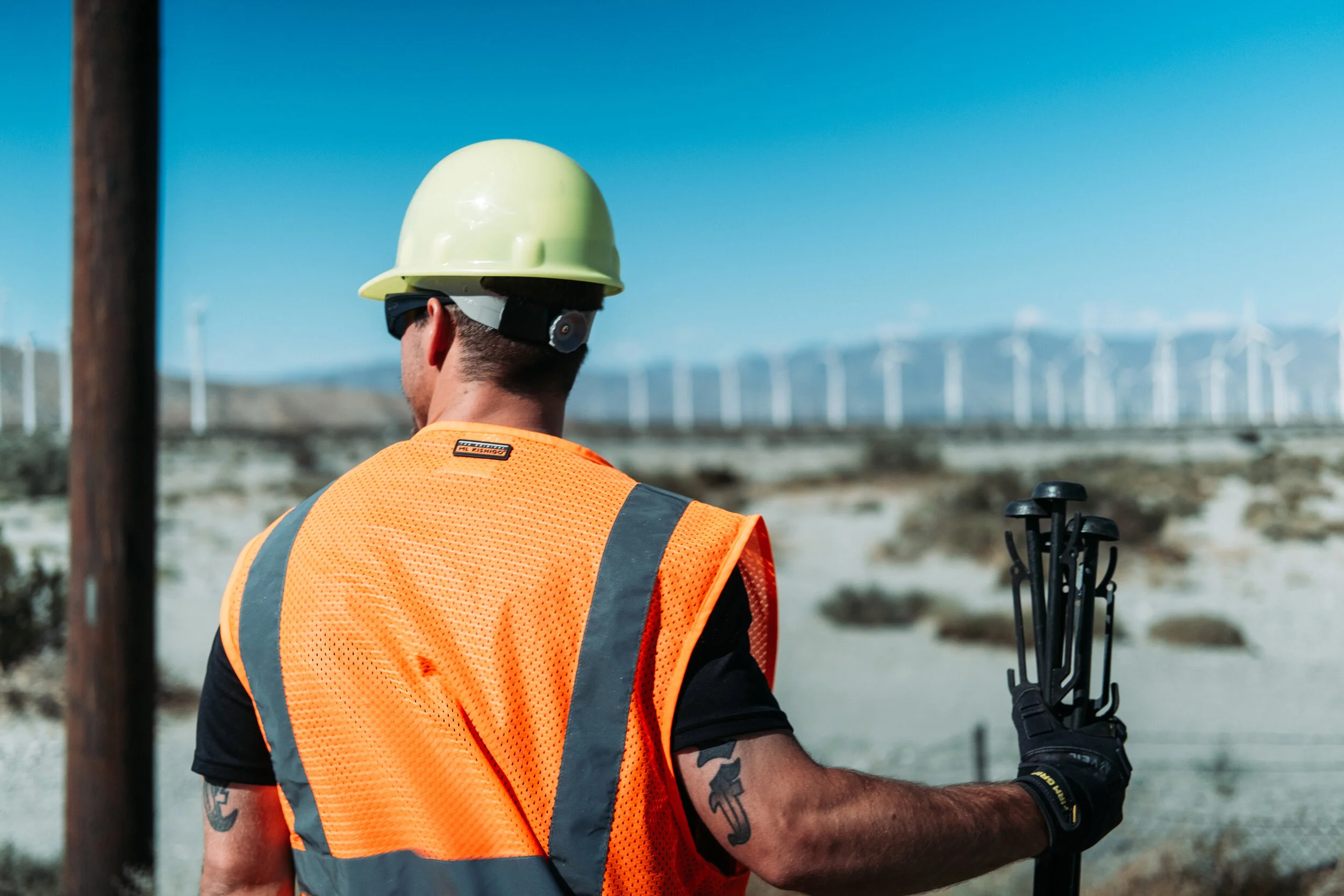
Temporary event fencing is perimeter and barrier fencing that goes up for an event and comes down after — festivals, concerts, sporting events, fairs, and public gatherings. Choose by surface and schedule: driven posts with barrier mesh for open ground and one-off runs, free-standing base-plated posts where you cannot drive, and a reusable barrier-post system for event companies that set up and strike many times a season. The number that decides cost is setup-and-teardown labor across deployments, not the unit price.
What is temporary event fencing?
Temporary event fencing encloses and organizes an event site for the length of the event, then comes out. It does three jobs: it defines the outer perimeter, it separates back-of-house and restricted zones from the public, and it channels foot traffic toward entrances and exits. It is usually barrier mesh or fabric carried on driven or free-standing posts, picked for fast install, clean teardown, and reuse — not for permanent anchoring.
This is a use-case guide. If you want the underlying comparison of post types themselves — U-posts, T-posts, wood stakes, and reusable barrier posts — start with temporary fence posts: types and how to choose and use this page for the event-specific decisions that sit on top of it.
What event fencing actually has to do
An event buyer is not really buying fence — they are buying a boundary that goes up fast, looks consistent on camera and in front of the public, holds through weather and crowds, and strikes quickly so the venue is cleared on schedule. Those priorities rank differently than they do on a construction site.
| Priority | Why it matters at an event | What it favors |
|---|---|---|
| Setup and teardown speed | Crews work tight load-in and load-out windows, often overnight | A system that installs and strikes without per-post driving and pulling |
| Reuse across events | The same inventory covers a full season of dates | Durable, redeployable posts and mesh over single-use materials |
| Presentation | The barrier is public-facing and often photographed or sponsored | Consistent, clean lines; mesh that carries branded scrim where allowed |
| Stability | Open sites catch wind; surfaces are often paved | Open mesh, correct spacing, and ballasted base plates on hard ground |
| Egress | Fencing must never block marked exits or crowd-flow routes | A layout planned around exits, not just the perimeter |
Fencing options for an event
| Option | Best for | Watch-outs |
|---|---|---|
| Driven posts + barrier mesh | Open ground, grass, single-run events on a budget | Driving, capping, and pulling labor at every post; needs drivable soil |
| Free-standing panels | Asphalt and hard surfaces; quick drop-in lines | Heavy to handle; storage and transport between events add up |
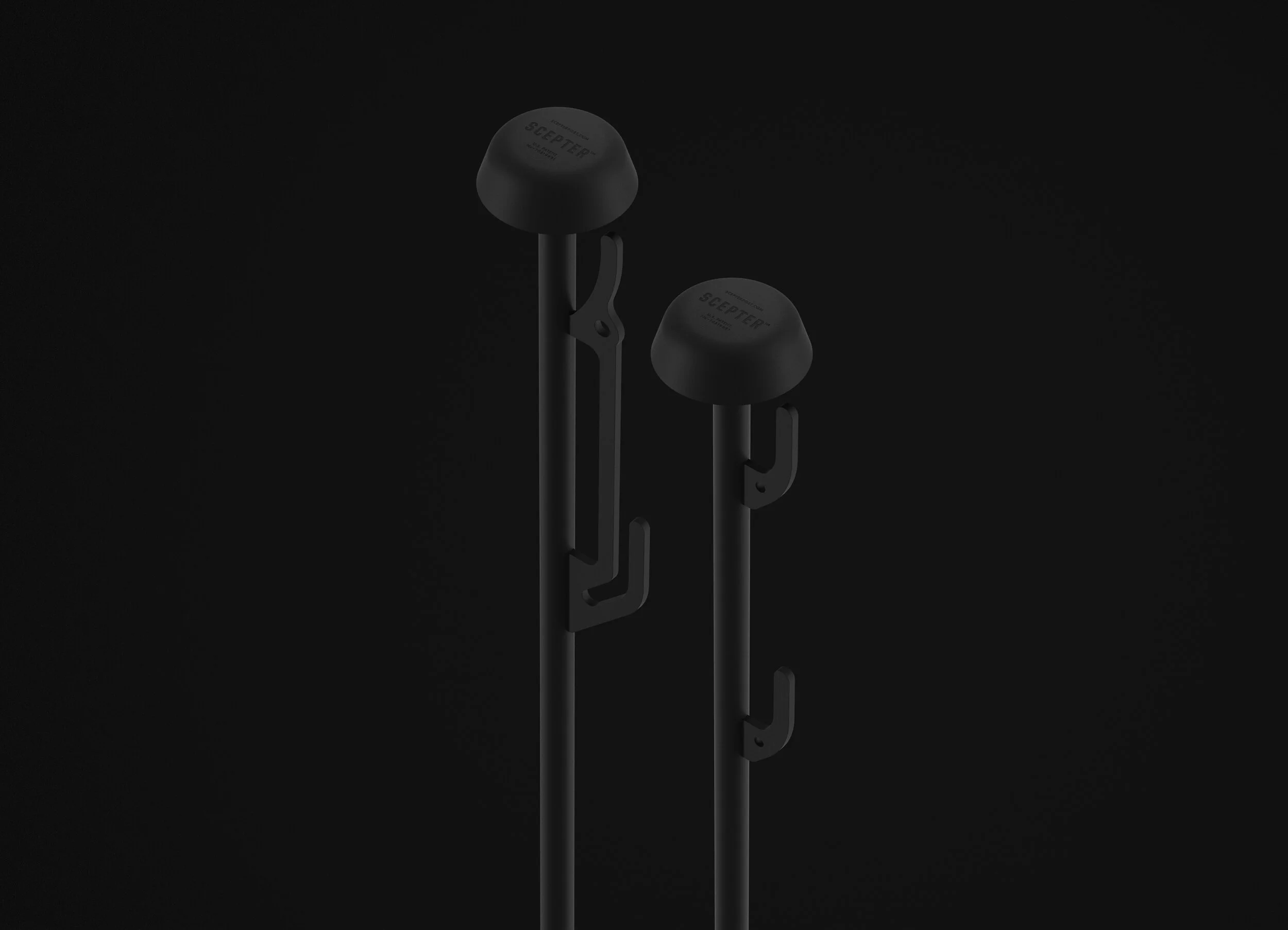
| Reusable base-plated barrier posts | Event companies redeploying across many dates and surfaces | Higher upfront cost; needs a storage and transport plan |
| Interlocking steel barricades | Tight crowd pinch points — stage fronts, entry queues | A separate product; not economical for long perimeters |
For the panel-versus-post decision specifically, see temporary fence panels vs posts. The honest scope line is the last row above: post-based fencing owns the long perimeter and back-of-house boundary, while steel barricades earn their place only where dense crowd pressure concentrates. Most events use both, each where it fits.
The number that controls event-fencing cost
Across a season, the unit price of a post is rarely what decides your spend. The controlling number is the crew time the system adds every time a boundary goes up and comes down — multiplied by how many events you cover.
What event fencing actually costs across a season
(Setup labor + teardown labor + transport and storage + damaged or lost material) per event, multiplied by events per season, against the cost of the system. A driven commodity post is cheap to buy and expensive to handle at every load-in and load-out; a reusable barrier post is the reverse. The crossover is how many events you redeploy it across.
That is the case a reusable barrier system is built for: Scepter states its system installs and dismantles up to 8–10x faster than conventional methods. For a single one-off event, rental panels or driven posts can still be the cheaper answer. Run your perimeter footage through the temporary fence cost calculator, and see temporary fence rental cost for the rent-versus-own break-even.
Setting up and stabilizing an event site
Event sites add two problems a construction perimeter usually does not: paved surfaces you cannot drive into, and wide-open exposure to wind. Both have straightforward answers.
| Condition | What to do | Note |
|---|---|---|
| Grass or open soil | Drive posts directly; cap exposed tops | Fastest and cheapest where the ground allows it |
| Asphalt or concrete | Use free-standing base-plated posts, ballasted for the surface | No drilling; match ballast to expected wind load |
| High wind exposure | Keep open barrier mesh; tighten post spacing | Solid scrim or banner needs rated stabilizers or earth anchors, not feet alone |
| Crowd-flow and exits | Plan the layout around marked exits first | Fencing must never block egress or emergency routes |
Egress is the one rule that overrides everything else. Event fencing organizes a crowd, but it must never trap one — exits, emergency lanes, and crowd-flow routes are planned first, and the perimeter is fitted around them, consistent with the venue’s life-safety requirements and the authority having jurisdiction. Where a solid windscreen or sponsor banner goes on the line, it turns the fence into a sail; that run needs rated stabilizers or anchors sized for the wind, not the base plates alone.
When a reusable barrier system fits an event operation
When a reusable barrier post is — and is not — the right call for events
Best for: event and production companies running many dates a season, rental fleets that redeploy inventory across events, and any operation paying setup-and-teardown labor over and over on a tight schedule. Not best for: a single one-off event where the lowest rental or material price is the only priority, or the dense crowd pinch points at a stage front, where an interlocking steel barricade is the honest answer.
How to choose for your event
| If your priority is... | Lean toward |
|---|---|
| Lowest cost for one open-ground event | Driven posts with barrier mesh, or rental panels |
| Hard surfaces with no drilling | Free-standing base-plated posts, ballasted |
| Fast setup and teardown across a full season | A reusable barrier-post system you redeploy |
| Holding back a dense crowd at one tight point | Interlocking steel barricades, used only there |
Match the system to your calendar and your surfaces, plan the layout around exits before the perimeter, and let the redeployment count — not the sticker price — decide whether you rent, buy commodity posts, or invest in a reusable system. For the post-by-post groundwork beneath all of this, the temporary fence posts guide covers types, spacing, and embedment.
Planning fencing for an event or a season of them?
Send your perimeter footage, surfaces, and how many events you cover. A Scepter rep can compare driven posts, rental panels, and reusable Scepter Posts for your dates and load-in windows.
Frequently asked questions
What is temporary event fencing?
Temporary event fencing is perimeter or barrier fencing installed for the run of an event and then removed — festival and concert grounds, sporting events, fairs, and public gatherings. It is typically mesh or fabric held on driven or free-standing posts, used to define the boundary, separate back-of-house areas, and channel foot traffic. It is chosen for fast setup and teardown and for reuse across many events, not for permanent anchoring.
What type of fencing is best for events?
It depends on the surface and how often you redeploy. Driven posts with barrier mesh suit open ground and are cheap for a single run. Free-standing panels suit asphalt and hard surfaces where you cannot drive. A reusable base-plated barrier-post system fits event companies that set up and tear down many times a season, because the cost that matters is setup-and-teardown labor across deployments, not the unit price. For tight crowd queue lines against a stage, interlocking steel barricades are a separate product — perimeter and back-of-house boundaries are where post-based event fencing fits.
How much temporary fencing do I need for an event?
Measure the perimeter you need to enclose plus any internal lines — back-of-house, VIP, or queue channels — and add for gates and overlaps. Linear footage drives both material and labor. Run the total through the temporary fence cost calculator to estimate cost, and confirm any spacing the venue or local authority requires.
How fast can event fencing be set up and taken down?
Speed depends on the system. Driven posts add driving, capping, and pulling labor at every post; free-standing panels drop into feet but need handling and storage. Scepter states its reusable barrier system installs and dismantles up to 8–10x faster than conventional methods, which is the lever that matters when the same crew sets up and strikes many events on a schedule.
Should an event company rent or own its fencing?
Rent for a one-off or an unpredictable calendar; own when you run enough events per year that rental fees and repeated setup labor exceed the cost of a reusable system you redeploy. The break-even is the redeployment count — the more events you cover with the same inventory, the more an owned reusable system pays back. See the temporary fence rental cost guide for the break-even math.
How do you keep event fencing stable in wind and on hard ground?
Wind is the main risk at open event sites. Use open barrier mesh rather than solid windscreen so wind passes through, and tighten post spacing in exposed areas. On asphalt, concrete, or other surfaces you cannot drive into, use free-standing base-plated posts ballasted or anchored for the surface. Any solid banner or windscreen needs rated stabilizers or earth anchors, not the feet alone. Keep fencing clear of marked exits and egress routes at all times.
What is the difference between event fencing and crowd-control barriers?
Event fencing defines the outer boundary and internal zones across the whole site — it is mesh or fabric on posts covering long perimeters. Interlocking steel crowd-control barricades are short, heavy sections built to hold back a dense crowd at a tight pinch point such as a stage front or entry queue. Many events use both: post-based fencing for the perimeter and back-of-house, and steel barricades only where crowd pressure concentrates.
Sources & standards
Figures and requirements on this page were checked against primary and industry sources. Always confirm against the governing permit, spec, or a current quote.
- NFPA 101 Life Safety Code — egress and crowd management at assembly occupancies
- U.S. Consumer Product Safety and event crowd-management guidance (general public-safety context)